
Works by series
TITELLES (2003 - 2008)
Evolution towards more psychological aspects, adopting different styles: symbolism, surrealism and expressionism.
All of Enric Alfons’s work prior to the Allá Lejos series, which he began in 1980, could be attributed to the experience of his travels to Morocco, Algeria, Mauritania, Tunisia, Paris, London, Turkey, Kurdistan, Albania, Macedonia (now North Macedonia), Kosovo, Syria and Jordan, in which one can note an obvious focus on the figure and face of Arab women and her attire (for instance in the three series Fetitxes andalusís [1982], Deessa Màscara [1984] and Malhafa [1989]); on the everyday life of their people in their places of origin or in their destinations as migrants in cities such as Paris and London (the series Espills d’un jardí [1991–1992] and Gouttes d’or dans la ville [1993]); on the migrant’s difficult journey and glimpses into their precarious lives in locations like the agricultural areas surrounding Valencia and Roquetas de Mar (in the series Dormir al ras [1994–1996]); or the exodus of Albanians caused by the hardships following the change in the country’s political system and the conflicts in the region during the Balkan Wars (in the series Apuntes Albaneses [1997]).
After those first three series from the 1980s, from Espills d’un jardí onwards, Enric Alfons began to develop a narrative intention focused on the aforementioned themes, largely owing to a personal commitment he felt with the people and communities in these regions and circumstances, as well as a wish to capture the immediacy of the moment for which he relied on the small wooden panels he carried with him in order to paint in situ.
Spontaneous brushwork, simplified forms and a dynamic interplay between primitivism, expressionism, abstraction and figuration, together with the use of words, pictograms and symbols, were his instruments to express what he saw and how he saw it. Art critics have highlighted Alfons’s mastery and fluidity in the use of colour, whether in a more or less vivid, joyful palette or more subdued, sombre tones, yet always intensifying the narrative and conveying to the viewer the emotion of the lived experience.
The series Allá Lejos and Titelles came about after 2000. The artist’s declaration around this time is equally applicable to both series: “I felt the need to stop, to reflect, to rethink my work. These pieces I am exhibiting now do not come from a particular journey, but from the knowledge I’ve acquired through my travels over previous years. […] I’ve recently become a father, and that has had a big influence on me….”[1] “From that background [of travel and the visual diary rendered on the panels], I’m trying to paint from scratch. […] I need the work to be more reflective. […] I’m still working with the idea of mestizaje.” [2]
Enric Alfons spoke about the artistic and above all literary movements, artists and authors that inspired him when it came to painting: in the case of the visual arts, Dubuffet, art brut, African art, Eastern art, particularly Japanese; in the case of literature, Goytisolo and Paul Bowles, both so closely associated, personally and artistically, to North Africa and particularly Morocco.
Due to its strong focus on the female figure, which he imbues with great strength and power, whether as mother or in other roles, and as the centre around which everything revolves, as well as for the volume of work it generated, Allá Lejos takes on its own identity as a series, although it contains elements and overlaps at times with Titelles (for example, they share the theme of migrants working in greenhouses in Almeria, the subjects of the Bajo el plástico works from 2001, who also appear in some of works in Allá Lejos).
In the following years, the reflective process that Alfons had said he needed was fleshed out by many other external inputs than he initially revealed in his brief interviews, something clearly evinced in his notebooks and sketches from that time. These include numerous artistic, cultural and social references to painters such as Madrazo, Fortuny, Muñoz Degrain, Klimt, Matisse, Picasso, De Kooning and Bacon; to thoughts, quotations and works by writers, thinkers, philosophers and poets including Vargas Llosa, Octavio Paz, Proust, John Berger, Camus, Nietzsche, Ezra Pound and Miririda N’Aït Attik; to sensations triggered by films such as Viridiana, No Man’s Land or A Clockwork Orange; or to music, for example by Omar Metioui; and also to reflections on events with a major impact, such as the genocidal crimes committed by Arkan’s Tigers in the Balkans or the Madrid train bombings on 11 March 2004.
In short, his new creative process is shaped, on one hand, by a convergence of factors intrinsic to this highly sensitive and individual artist: his grounding in a solid academic training, constant intellectual renewal through his teaching and personal study, the baggage of his travels and the experience of fatherhood and, on the other, by a profound process of reflection that arouses powerful emotions which he feels compelled to express on canvas.
Thematically speaking, the series combines subject matters connected with his ongoing commitment to North African and Eastern contexts, especially migrants fleeing poverty and war, with others that relate to his own personal circumstances and emotions.
This diversity can readily be seen in the Titelles series, where Alfons addresses certain themes so insistently that we could speak of small sub-series within it. For example, migrants harvesting fruit in greenhouses in Almeria (Bajo el plástico, 2001), which are depicted as titelles (Valencian for puppets or marionettes); West African migrants gathering in the Retiro Park in Madrid (En el Retiro, 2004); labyrinths, often forming the torsos of migrants in the Retiro Park or of a child (2004); flower sellers (2004 and 2005); a flute player, alone or with a goat (2007); or a flying child (Vals del aire, 2007 and 2008).
As we can see, these works render forms, postures and situations that wish to convey the psychological and emotional states of the characters depicted and, in a new development, those of the artist himself.
While maintaining the key elements of his distinctive visual language, now more developed in gestural intensity, chromatic richness and dense brushwork,[3] he incorporates various stylistic influences, ranging from Symbolism to Surrealism and Expressionism, using them to express the strong emotions provoked by lived experience.
Here Alfons uses luminous and vivid colours with varying degrees of chromatic richness in each individual case, often depending on the number of elements present in each composition. And so, the background of the painting is often arranged in panels with different colours that create distinct spaces for each narrative element.
The main exhibitions from this period include the solo show De la serie Titelles at Galería Rafael García in Madrid, December 2004 – February 2005, and the group shows 25 anys: Becats Alfons Roig at Sala Parpalló, Valencia, December 2005 – February 2006, organised by the Diputació de València; and Trenza Trazo. España – México – Taiwán. Obra gráfica, with exhibitions at the Escuela de Artes Plásticas, Universidad Autónoma de Sinaloa, Mexico (May 2007), and at Sala del Jardí Botànic, Universitat de València (November–December 2007).
[1] C. Aimeur: “Enric Alfons expone de nuevo en Valencia tras cinco años de silencio,” in Las Provincias, 7 March 2003.
[2] R.V.M.: “Enric Alfons: ‘Trato de pintar partiendo de cero’,” in Levante, 8 March 2003.
[3] “Enric Alfons, serie ‘Allá Lejos’,” in El Punto de las artes, 14-20 March 2003.
All of Enric Alfons’s work prior to the Allá Lejos series, which he began in 1980, could be attributed to the experience of his travels to Morocco, Algeria, Mauritania, Tunisia, Paris, London, Turkey, Kurdistan, Albania, Macedonia (now North Macedonia), Kosovo, Syria and Jordan, in which one can note an obvious focus on the figure and face of Arab women and her attire (for instance in the three series Fetitxes andalusís [1982], Deessa Màscara [1984] and Malhafa [1989]); on the everyday life of their people in their places of origin or in their destinations as migrants in cities such as Paris and London (the series Espills d’un jardí [1991–1992] and Gouttes d’or dans la ville [1993]); on the migrant’s difficult journey and glimpses into their precarious lives in locations like the agricultural areas surrounding Valencia and Roquetas de Mar (in the series Dormir al ras [1994–1996]); or the exodus of Albanians caused by the hardships following the change in the country’s political system and the conflicts in the region during the Balkan Wars (in the series Apuntes Albaneses [1997]).
After those first three series from the 1980s, from Espills d’un jardí onwards, Enric Alfons began to develop a narrative intention focused on the aforementioned themes, largely owing to a personal commitment he felt with the people and communities in these regions and circumstances, as well as a wish to capture the immediacy of the moment for which he relied on the small wooden panels he carried with him in order to paint in situ.
Spontaneous brushwork, simplified forms and a dynamic interplay between primitivism, expressionism, abstraction and figuration, together with the use of words, pictograms and symbols, were his instruments to express what he saw and how he saw it. Art critics have highlighted Alfons’s mastery and fluidity in the use of colour, whether in a more or less vivid, joyful palette or more subdued, sombre tones, yet always intensifying the narrative and conveying to the viewer the emotion of the lived experience.
The series Allá Lejos and Titelles came about after 2000. The artist’s declaration around this time is equally applicable to both series: “I felt the need to stop, to reflect, to rethink my work. These pieces I am exhibiting now do not come from a particular journey, but from the knowledge I’ve acquired through my travels over previous years. […] I’ve recently become a father, and that has had a big influence on me….”[1] “From that background [of travel and the visual diary rendered on the panels], I’m trying to paint from scratch. […] I need the work to be more reflective. […] I’m still working with the idea of mestizaje.” [2]
Enric Alfons spoke about the artistic and above all literary movements, artists and authors that inspired him when it came to painting: in the case of the visual arts, Dubuffet, art brut, African art, Eastern art, particularly Japanese; in the case of literature, Goytisolo and Paul Bowles, both so closely associated, personally and artistically, to North Africa and particularly Morocco.
Due to its strong focus on the female figure, which he imbues with great strength and power, whether as mother or in other roles, and as the centre around which everything revolves, as well as for the volume of work it generated, Allá Lejos takes on its own identity as a series, although it contains elements and overlaps at times with Titelles (for example, they share the theme of migrants working in greenhouses in Almeria, the subjects of the Bajo el plástico works from 2001, who also appear in some of works in Allá Lejos).
In the following years, the reflective process that Alfons had said he needed was fleshed out by many other external inputs than he initially revealed in his brief interviews, something clearly evinced in his notebooks and sketches from that time. These include numerous artistic, cultural and social references to painters such as Madrazo, Fortuny, Muñoz Degrain, Klimt, Matisse, Picasso, De Kooning and Bacon; to thoughts, quotations and works by writers, thinkers, philosophers and poets including Vargas Llosa, Octavio Paz, Proust, John Berger, Camus, Nietzsche, Ezra Pound and Miririda N’Aït Attik; to sensations triggered by films such as Viridiana, No Man’s Land or A Clockwork Orange; or to music, for example by Omar Metioui; and also to reflections on events with a major impact, such as the genocidal crimes committed by Arkan’s Tigers in the Balkans or the Madrid train bombings on 11 March 2004.
In short, his new creative process is shaped, on one hand, by a convergence of factors intrinsic to this highly sensitive and individual artist: his grounding in a solid academic training, constant intellectual renewal through his teaching and personal study, the baggage of his travels and the experience of fatherhood and, on the other, by a profound process of reflection that arouses powerful emotions which he feels compelled to express on canvas.
Thematically speaking, the series combines subject matters connected with his ongoing commitment to North African and Eastern contexts, especially migrants fleeing poverty and war, with others that relate to his own personal circumstances and emotions.
This diversity can readily be seen in the Titelles series, where Alfons addresses certain themes so insistently that we could speak of small sub-series within it. For example, migrants harvesting fruit in greenhouses in Almeria (Bajo el plástico, 2001), which are depicted as titelles (Valencian for puppets or marionettes); West African migrants gathering in the Retiro Park in Madrid (En el Retiro, 2004); labyrinths, often forming the torsos of migrants in the Retiro Park or of a child (2004); flower sellers (2004 and 2005); a flute player, alone or with a goat (2007); or a flying child (Vals del aire, 2007 and 2008).
As we can see, these works render forms, postures and situations that wish to convey the psychological and emotional states of the characters depicted and, in a new development, those of the artist himself.
While maintaining the key elements of his distinctive visual language, now more developed in gestural intensity, chromatic richness and dense brushwork,[3] he incorporates various stylistic influences, ranging from Symbolism to Surrealism and Expressionism, using them to express the strong emotions provoked by lived experience.
Here Alfons uses luminous and vivid colours with varying degrees of chromatic richness in each individual case, often depending on the number of elements present in each composition. And so, the background of the painting is often arranged in panels with different colours that create distinct spaces for each narrative element.
The main exhibitions from this period include the solo show De la serie Titelles at Galería Rafael García in Madrid, December 2004 – February 2005, and the group shows 25 anys: Becats Alfons Roig at Sala Parpalló, Valencia, December 2005 – February 2006, organised by the Diputació de València; and Trenza Trazo. España – México – Taiwán. Obra gráfica, with exhibitions at the Escuela de Artes Plásticas, Universidad Autónoma de Sinaloa, Mexico (May 2007), and at Sala del Jardí Botànic, Universitat de València (November–December 2007).
[1] C. Aimeur: “Enric Alfons expone de nuevo en Valencia tras cinco años de silencio,” in Las Provincias, 7 March 2003.
[2] R.V.M.: “Enric Alfons: ‘Trato de pintar partiendo de cero’,” in Levante, 8 March 2003.
[3] “Enric Alfons, serie ‘Allá Lejos’,” in El Punto de las artes, 14-20 March 2003.
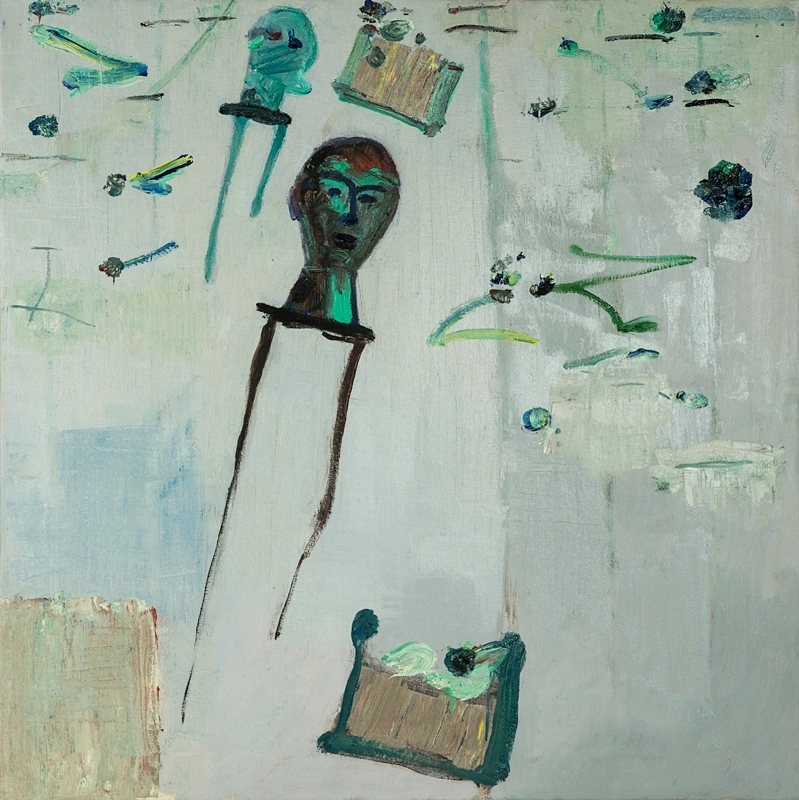
Untitled (Bajo el plástico), 2001
Oil/canvas, 92 x 92 cm
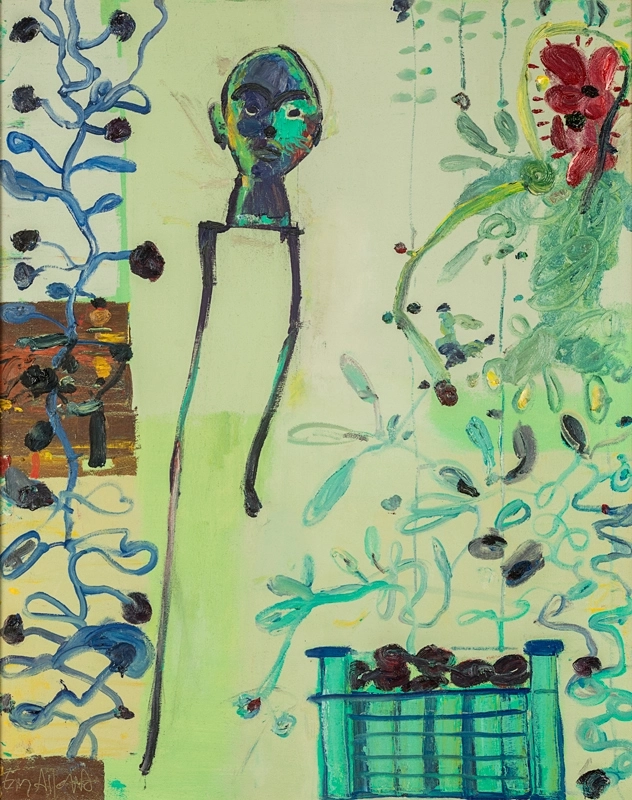
Untitled (Bajo el plástico), c.2001
Oil/canvas, 92 x 73 cm
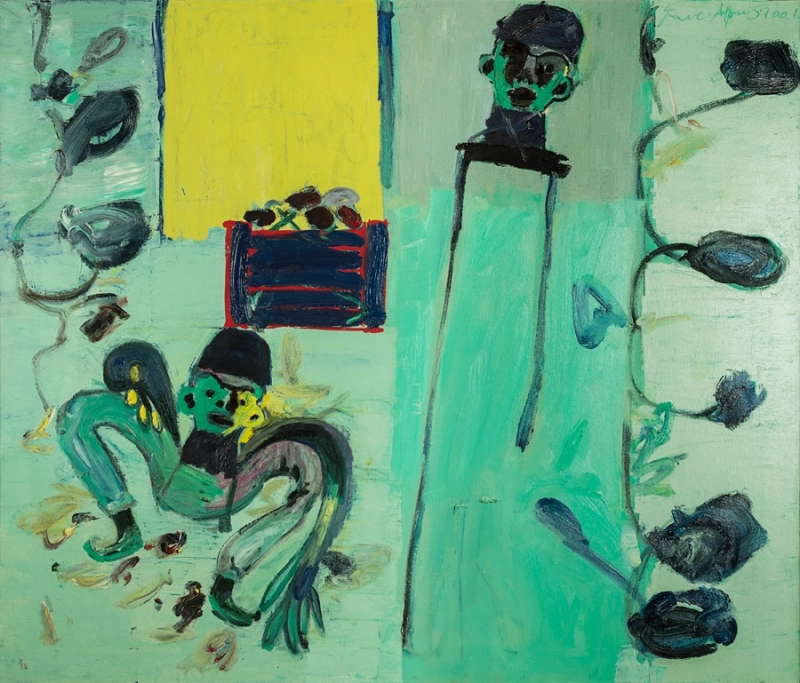
Bajo el plástico, 2001
Oil/canvas, 110 x 130 cm
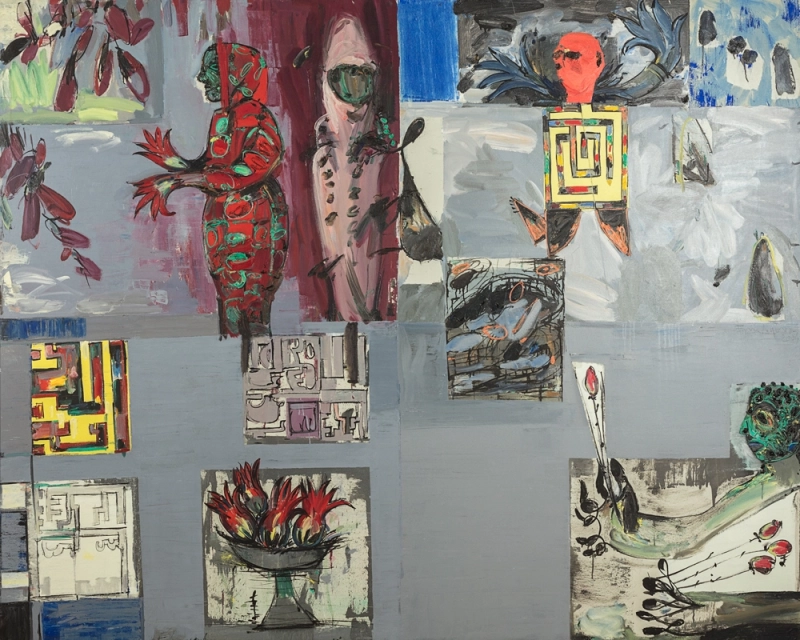
Untitled, 2004
Oil/canvas, 160 x 200 cm
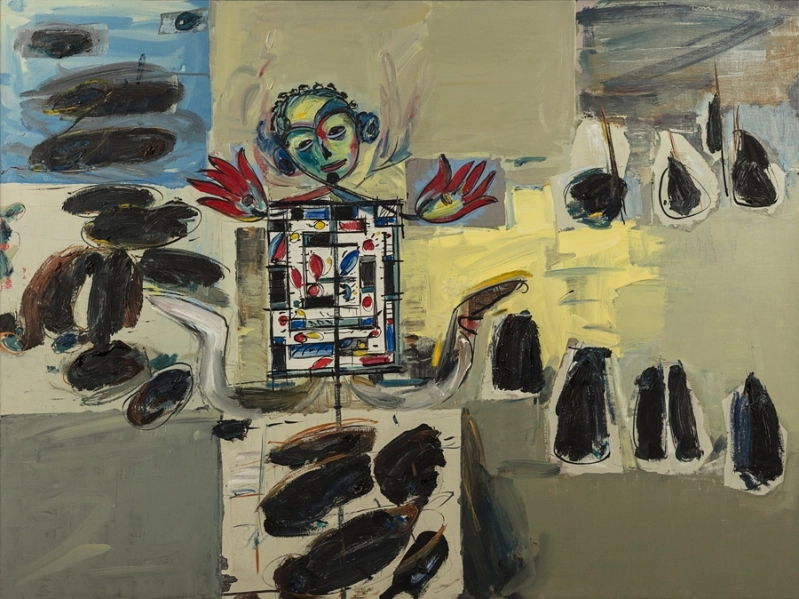
Untitled, 2004
Oil/canvas, 97 x 130 cm
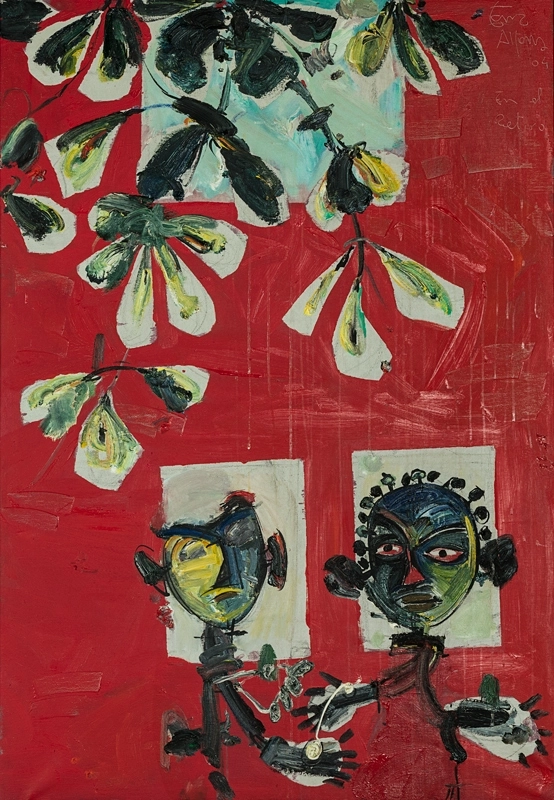
En el retiro, 2004
Oil/canvas, 116 x 81 cm
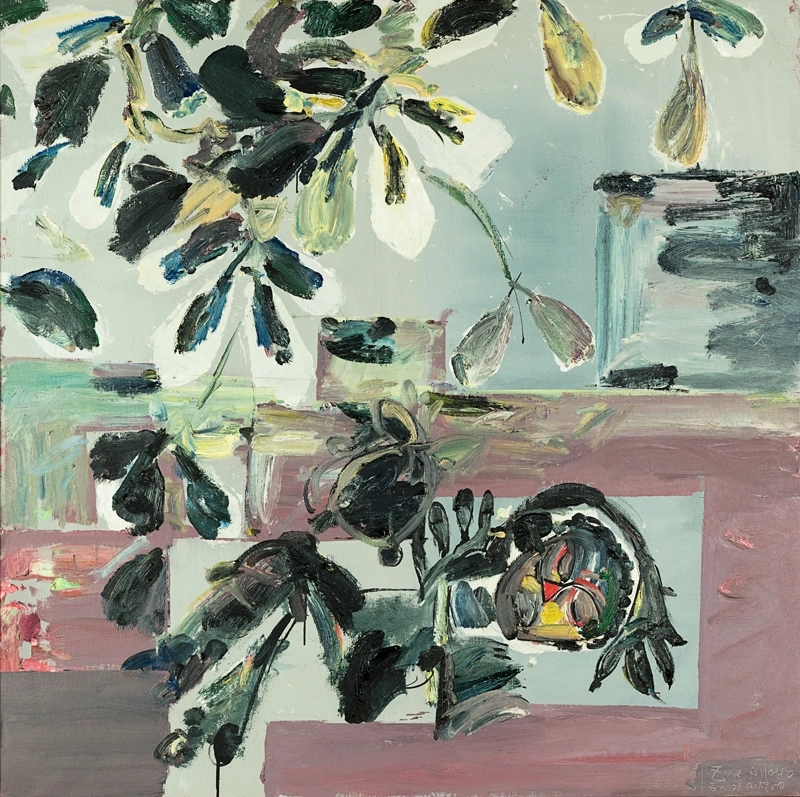
En el retiro, 2004
Oil/canvas, 92 x 92 cm
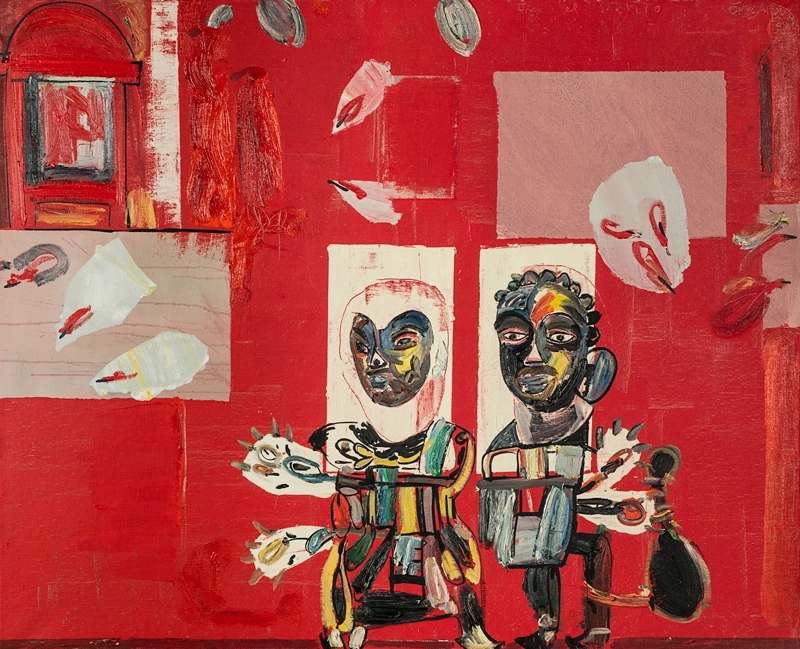
En el retiro, 2004
Oil/canvas, 81 x 100 cm
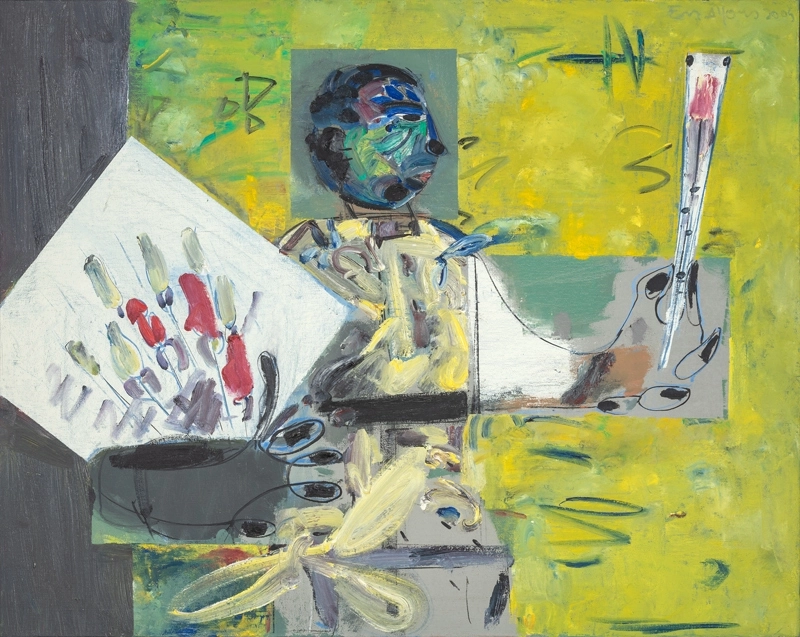
Untitled (Vendedor de flores), 2004
Oil/canvas, 73 x 92 cm
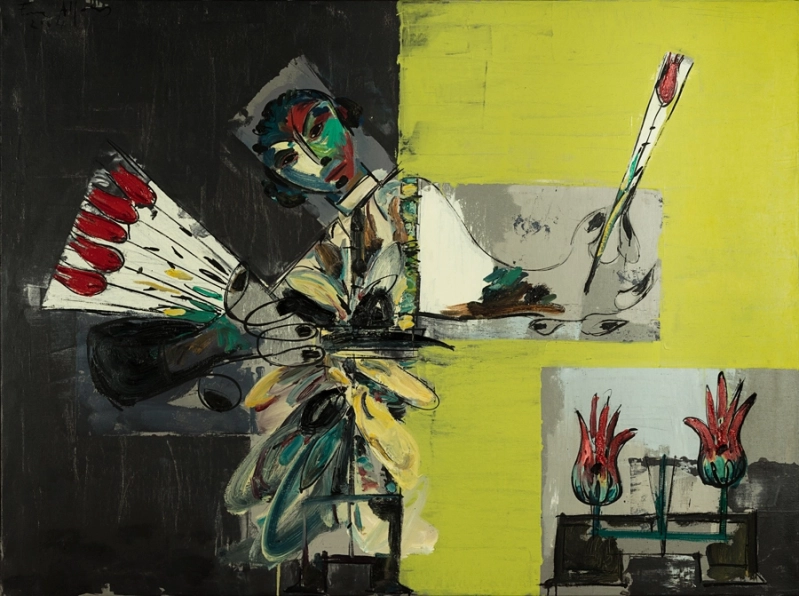
Untitled (Vendedor de flores), 2004
Oil/canvas, 97 x 130 cm
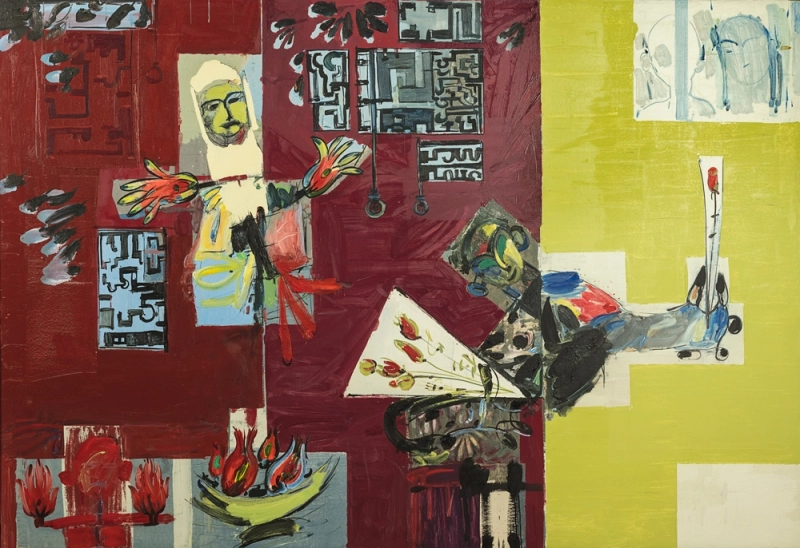
Claus, 2005
Oil/canvas, 135 x 200 cm
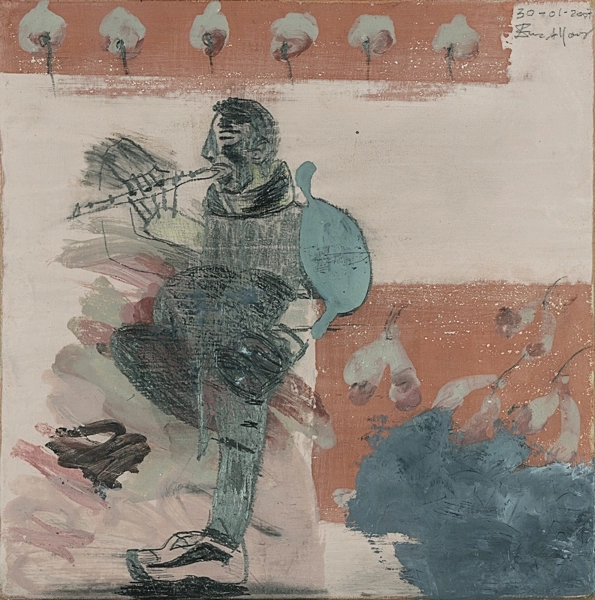
Untitled, 2007
Mixed media/panel, 33 x 33 cm
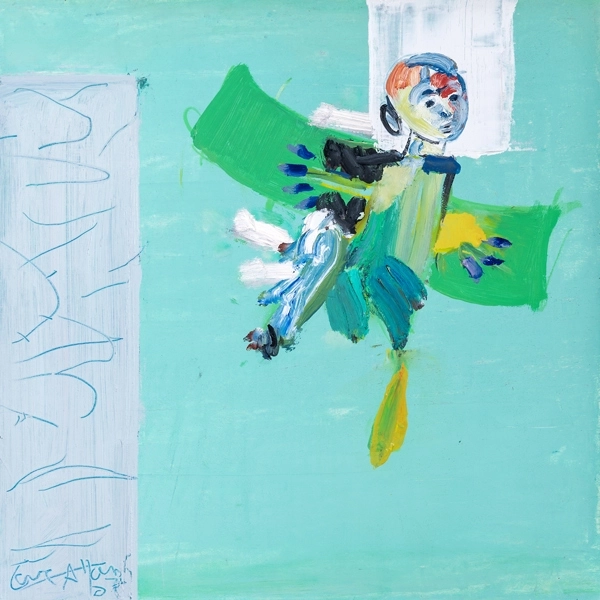
Vals del aire, 2007
Oil/panel, 30 x 30 cm
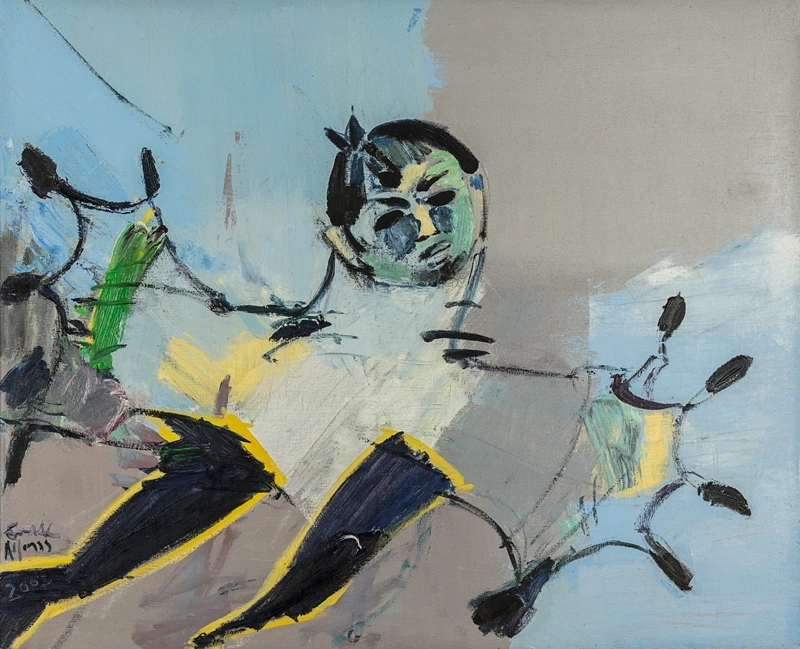
Vals del aire, 2007
Oil/canvas, 73 x 92 cm
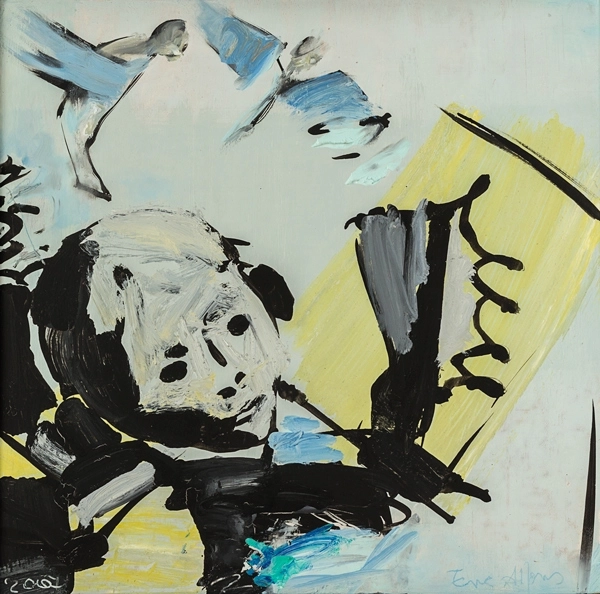
Vals del aire, 2007
Oil/panel, 30 x 30 cm
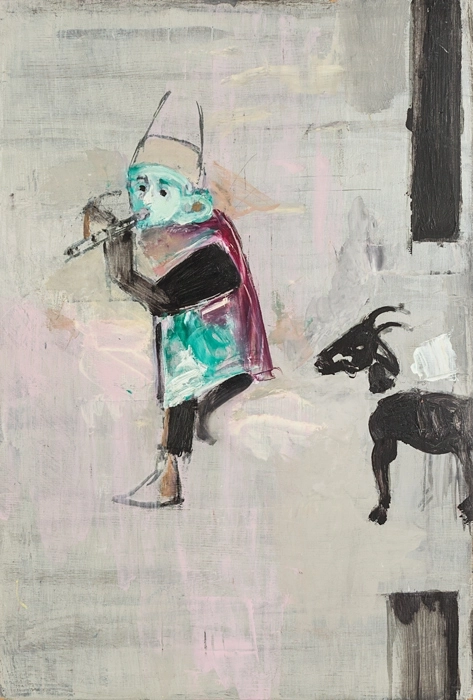
Untitled, c.2007
Oil/panel, 38 x 26 cm
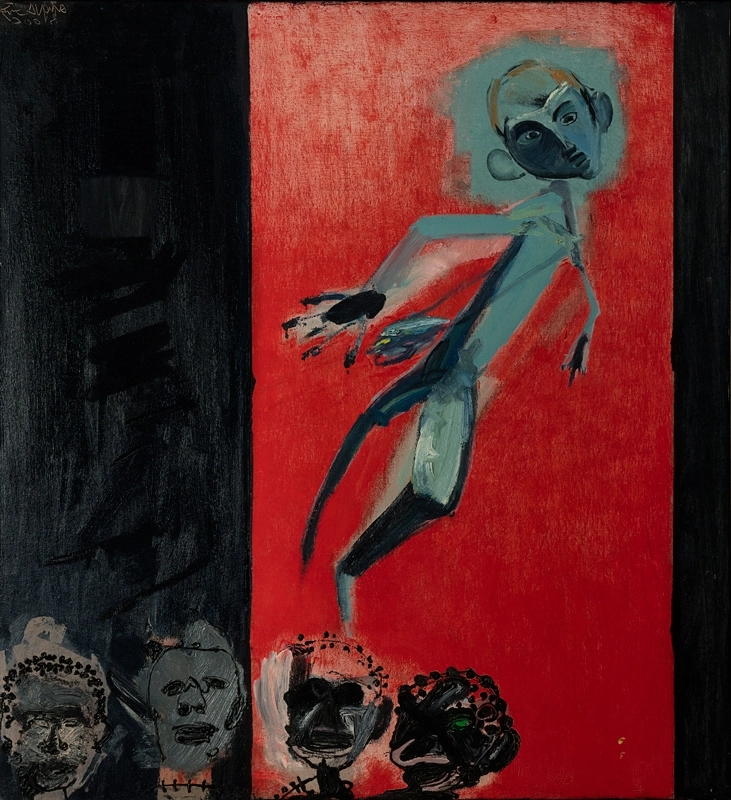
Vals del aire, 2008
Oil/canvas, 100 x 92 cm
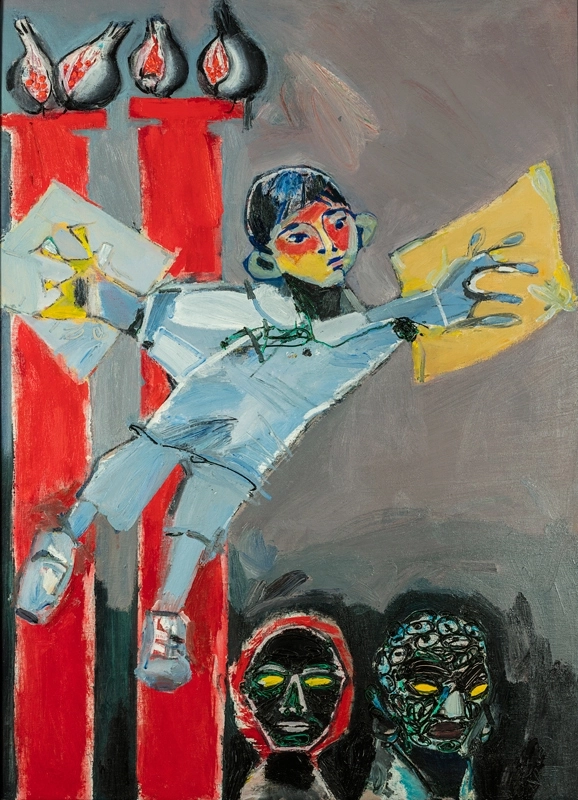
Vals del aire, c.2008
Oil/canvas, 116 x 81 cm
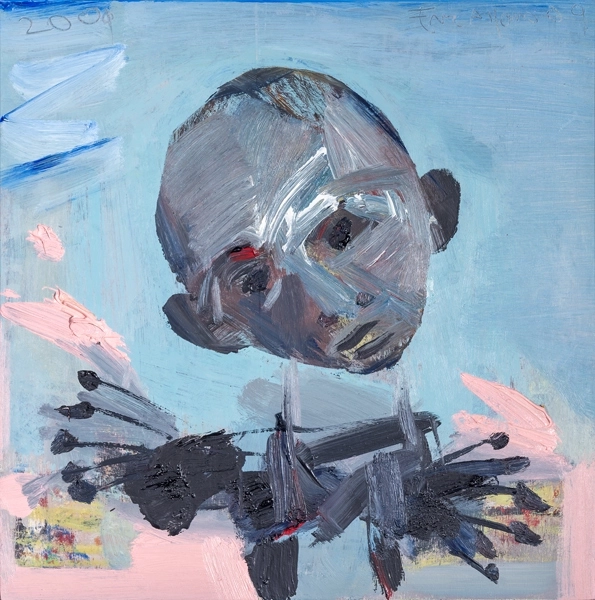
Untitled, 2009
Oil/panel, 30 x 30 cm
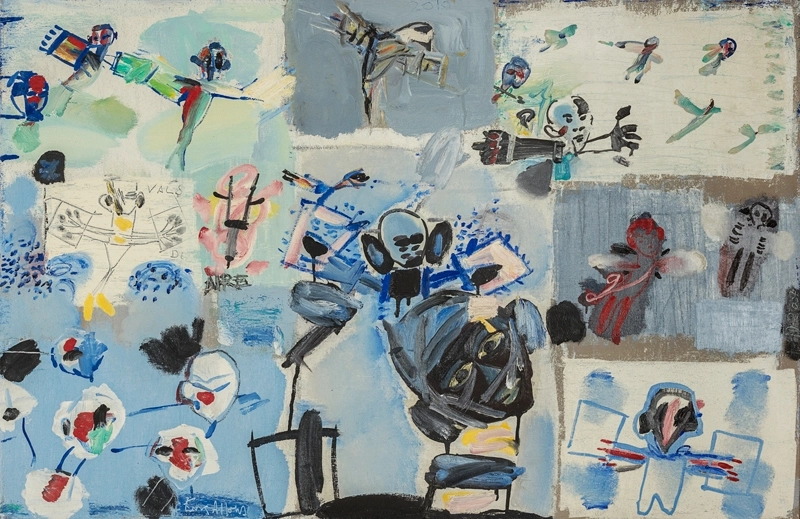
Vals del aire, 2010
Oil/canvas, 60 x 92 cm
