
Works by series
ALLÁ LEJOS (2000 - 2002)
Return to the female figure. A reflective process based on memories of travels: the enduring idea of mestizaje.
All of Enric Alfons’s work prior to the Allá Lejos series, which he began in 1980, could be attributed to the experience of his travels to Morocco, Algeria, Mauritania, Tunisia, Paris, London, Turkey, Kurdistan, Albania, Macedonia (now North Macedonia), Kosovo, Syria and Jordan, in which one can note an obvious focus on the figure and face of Arab women and her attire (for instance in the three series Fetitxes andalusís [1982], Deessa Màscara [1984] and Malhafa [1989]); on the everyday life of their people in their places of origin or in their destinations as migrants in cities such as Paris and London (the series Espills d’un jardí [1991–1992] and Gouttes d’or dans la ville [1993]); on the migrant’s difficult journey and glimpses into their precarious lives in locations like the agricultural areas surrounding Valencia and Roquetas de Mar (in the series Dormir al ras [1994–1996]); or the exodus of Albanians caused by the hardships following the change in the country’s political system and the conflicts in the region during the Balkan Wars (in the series Apuntes Albaneses [1997]).
After those first three series from the 1980s, from Espills d’un jardí onwards, Enric Alfons began to develop a narrative intention focused on the aforementioned themes, largely owing to a personal commitment he felt with the people and communities in these regions and circumstances, as well as a wish to capture the immediacy of the moment for which he relied on the small wooden panels he carried with him in order to paint in situ.
Spontaneous brushwork, simplified forms and a dynamic interplay between primitivism, expressionism, abstraction and figuration, together with the use of words, pictograms and symbols, were his instruments to express what he saw and how he saw it. Art critics have highlighted Alfons’s mastery and fluidity in the use of colour, whether in a more or less vivid, joyful palette or more subdued, sombre tones, yet always intensifying the narrative and conveying to the viewer the emotion of the lived experience.
The new series emerged three years after the previous one, marking a significant shift in his practice. This change was motivated by the arrival of fatherhood and the resulting commitment to family life, which led him to practically abandon the travels that had been so central to his artistic expression. And yet at the same time, paradoxically, a strong sense of continuity remains.
Alfons himself explains the keys to this new body of work: “I felt the need to stop, to reflect, to rethink my work. These pieces I am exhibiting now do not come from a particular journey, but from the knowledge I’ve acquired through my travels over previous years. […] I’ve recently become a father, and that has had a big influence on me….”[1] “From that background [of travel and the visual diary rendered on the panels], I’m trying to paint from scratch. […] I need the work to be more reflective. […] I’m still working with the idea of mestizaje.” [2]
His influences are evident: Dubuffet, art brut, African art and, as he himself adds, Eastern art and especially Japanese. Having said that, when he talks about his inspiration, he mentions literature as a primary source, and with even greater meaning and force at this more reflective moment in his life. He names Juan Goytisolo and Paul Bowles, both deeply connected, personally and artistically, to North Africa and particularly Morocco.
Although the Allá Lejos series was initially conceived as part of the Titelles series—in fact there are several elements linking the two—it soon took on an identity of its own as a result of the subject matter: family and, above all, women.
The series marks a return to the female figure, represented here as a powerful presence and the centre around which everything revolves, whether as mother or in other roles. Surrounding her are traces of the baggage, introspective journey and the mestizaje he spoke about: here we find the appearance of the father figure, but also an African face looking out at us, a migrant picking fruit, slippers (like those from Dormir al ras series which were remnants of a shipwreck), vessels from distant African villages… As Juan Bautista Peiró[3] noted, “Once again, we see Alfons’s enduring capacity to intricately weave together disparate threads into a horizon that captivates us at first glance, forces us to look more closely at the details and then to continue rethinking.”
Memories of past experiences are now joined to his present family life. One could argue that, while remaining faithful to his commitment to the North African and Eastern worlds, especially the migrant fleeing poverty and conflict, a new, more intimate sense of commitment now emerges, closer to the idea of responsibility.
Indeed, the title Allá Lejos (Far Away) refers both to the homesickness a migrant feels for their land and people, and to the nostalgia the artist himself feels for the worlds he can no longer travel to.
In terms of style and form, the woman is rendered abstractly and outlined, like other figures, with thick brushstrokes.[4] Compared with the series from the 1980s, the faces are now rendered more delicately and expressively and treated with greater refinement.
As such, we are dealing with a new phase in Alfons’s work. This does not mean that he abandons the key features of his visual language, now more developed in gestural intensity, chromatic richness and dense brushwork.[5]
His canvases are now filled with brighter, more vivid colours, with each one exhibiting greater chromatic complexity. A new element is the treatment of the background, often divided into differently coloured panels, or resembling the layout of a Berber rug or tapestry, thus creating discrete spaces for each narrative element.
The main solo exhibitions during this period are Allá Lejos at Galería Rafael García in Madrid, December 2001- February 2002; and at Galería Rosalía Sender in Valencia, March-April 2003.
[1] C. Aimeur: “Enric Alfons expone de nuevo en Valencia tras cinco años de silencio,” in Las Provincias, 7 March 2003.
[2] R.V.M.: “Enric Alfons: ‘Trato de pintar partiendo de cero’,” in Levante, 8 March 2003.
[3] Juan B. Peiró: “Riqueza de recursos. ENRIC ALFONS,” in Levante, 21 March 2003.
[4] Rafa Soria Domínguez: “La mujer, el mestizaje, el arte,” in El Diario de Valencia, 8 March 2003.
[5] “Enric Alfons, serie ‘Allá Lejos’,” in El Punto de las artes, 14-20 March 2003.
All of Enric Alfons’s work prior to the Allá Lejos series, which he began in 1980, could be attributed to the experience of his travels to Morocco, Algeria, Mauritania, Tunisia, Paris, London, Turkey, Kurdistan, Albania, Macedonia (now North Macedonia), Kosovo, Syria and Jordan, in which one can note an obvious focus on the figure and face of Arab women and her attire (for instance in the three series Fetitxes andalusís [1982], Deessa Màscara [1984] and Malhafa [1989]); on the everyday life of their people in their places of origin or in their destinations as migrants in cities such as Paris and London (the series Espills d’un jardí [1991–1992] and Gouttes d’or dans la ville [1993]); on the migrant’s difficult journey and glimpses into their precarious lives in locations like the agricultural areas surrounding Valencia and Roquetas de Mar (in the series Dormir al ras [1994–1996]); or the exodus of Albanians caused by the hardships following the change in the country’s political system and the conflicts in the region during the Balkan Wars (in the series Apuntes Albaneses [1997]).
After those first three series from the 1980s, from Espills d’un jardí onwards, Enric Alfons began to develop a narrative intention focused on the aforementioned themes, largely owing to a personal commitment he felt with the people and communities in these regions and circumstances, as well as a wish to capture the immediacy of the moment for which he relied on the small wooden panels he carried with him in order to paint in situ.
Spontaneous brushwork, simplified forms and a dynamic interplay between primitivism, expressionism, abstraction and figuration, together with the use of words, pictograms and symbols, were his instruments to express what he saw and how he saw it. Art critics have highlighted Alfons’s mastery and fluidity in the use of colour, whether in a more or less vivid, joyful palette or more subdued, sombre tones, yet always intensifying the narrative and conveying to the viewer the emotion of the lived experience.
The new series emerged three years after the previous one, marking a significant shift in his practice. This change was motivated by the arrival of fatherhood and the resulting commitment to family life, which led him to practically abandon the travels that had been so central to his artistic expression. And yet at the same time, paradoxically, a strong sense of continuity remains.
Alfons himself explains the keys to this new body of work: “I felt the need to stop, to reflect, to rethink my work. These pieces I am exhibiting now do not come from a particular journey, but from the knowledge I’ve acquired through my travels over previous years. […] I’ve recently become a father, and that has had a big influence on me….”[1] “From that background [of travel and the visual diary rendered on the panels], I’m trying to paint from scratch. […] I need the work to be more reflective. […] I’m still working with the idea of mestizaje.” [2]
His influences are evident: Dubuffet, art brut, African art and, as he himself adds, Eastern art and especially Japanese. Having said that, when he talks about his inspiration, he mentions literature as a primary source, and with even greater meaning and force at this more reflective moment in his life. He names Juan Goytisolo and Paul Bowles, both deeply connected, personally and artistically, to North Africa and particularly Morocco.
Although the Allá Lejos series was initially conceived as part of the Titelles series—in fact there are several elements linking the two—it soon took on an identity of its own as a result of the subject matter: family and, above all, women.
The series marks a return to the female figure, represented here as a powerful presence and the centre around which everything revolves, whether as mother or in other roles. Surrounding her are traces of the baggage, introspective journey and the mestizaje he spoke about: here we find the appearance of the father figure, but also an African face looking out at us, a migrant picking fruit, slippers (like those from Dormir al ras series which were remnants of a shipwreck), vessels from distant African villages… As Juan Bautista Peiró[3] noted, “Once again, we see Alfons’s enduring capacity to intricately weave together disparate threads into a horizon that captivates us at first glance, forces us to look more closely at the details and then to continue rethinking.”
Memories of past experiences are now joined to his present family life. One could argue that, while remaining faithful to his commitment to the North African and Eastern worlds, especially the migrant fleeing poverty and conflict, a new, more intimate sense of commitment now emerges, closer to the idea of responsibility.
Indeed, the title Allá Lejos (Far Away) refers both to the homesickness a migrant feels for their land and people, and to the nostalgia the artist himself feels for the worlds he can no longer travel to.
In terms of style and form, the woman is rendered abstractly and outlined, like other figures, with thick brushstrokes.[4] Compared with the series from the 1980s, the faces are now rendered more delicately and expressively and treated with greater refinement.
As such, we are dealing with a new phase in Alfons’s work. This does not mean that he abandons the key features of his visual language, now more developed in gestural intensity, chromatic richness and dense brushwork.[5]
His canvases are now filled with brighter, more vivid colours, with each one exhibiting greater chromatic complexity. A new element is the treatment of the background, often divided into differently coloured panels, or resembling the layout of a Berber rug or tapestry, thus creating discrete spaces for each narrative element.
The main solo exhibitions during this period are Allá Lejos at Galería Rafael García in Madrid, December 2001- February 2002; and at Galería Rosalía Sender in Valencia, March-April 2003.
[1] C. Aimeur: “Enric Alfons expone de nuevo en Valencia tras cinco años de silencio,” in Las Provincias, 7 March 2003.
[2] R.V.M.: “Enric Alfons: ‘Trato de pintar partiendo de cero’,” in Levante, 8 March 2003.
[3] Juan B. Peiró: “Riqueza de recursos. ENRIC ALFONS,” in Levante, 21 March 2003.
[4] Rafa Soria Domínguez: “La mujer, el mestizaje, el arte,” in El Diario de Valencia, 8 March 2003.
[5] “Enric Alfons, serie ‘Allá Lejos’,” in El Punto de las artes, 14-20 March 2003.
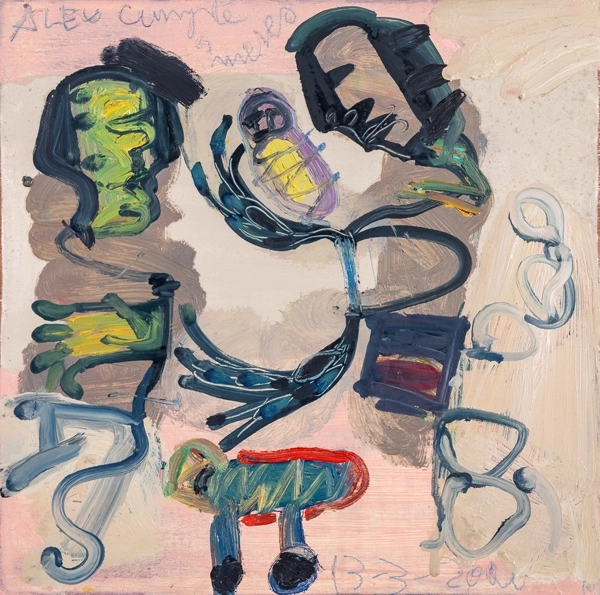
Untitled (Álex cumple 4 meses), 2000
Oil/panel, 30 x 30 cm
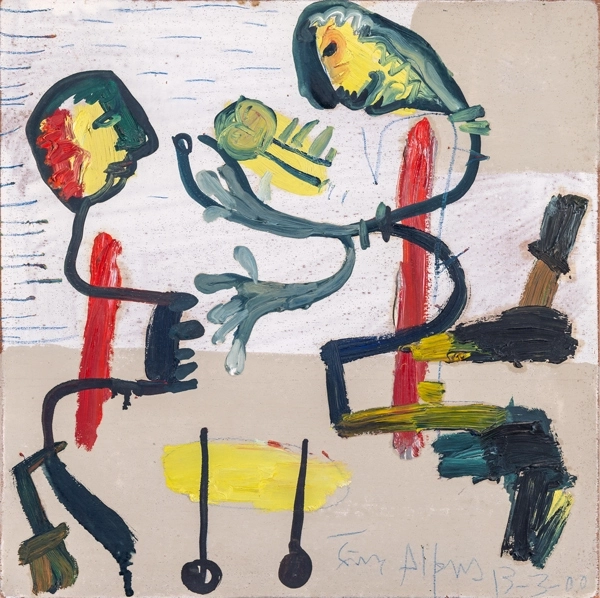
Untitled (Álex cumple 4 meses), 2000
Oil/panel, 30 x 30 cm
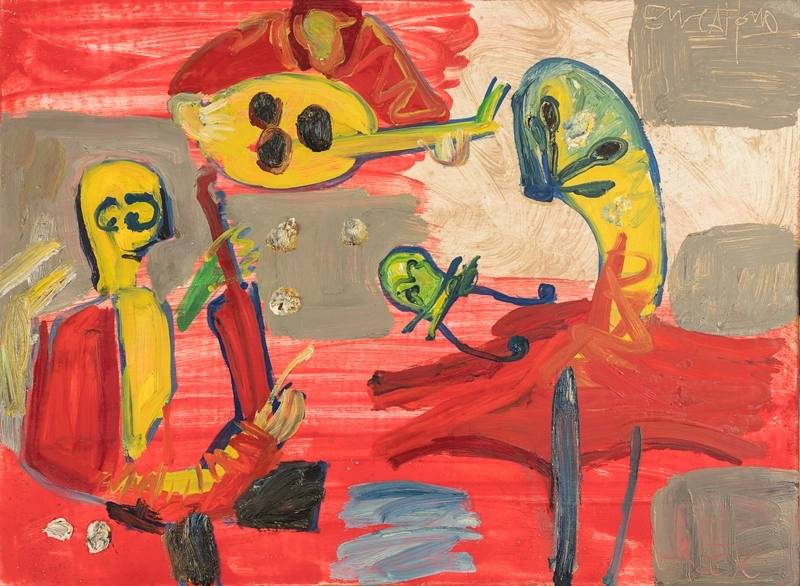
Untitled (Allá lejos), 2000
Oil/panel, 38 x 52 cm
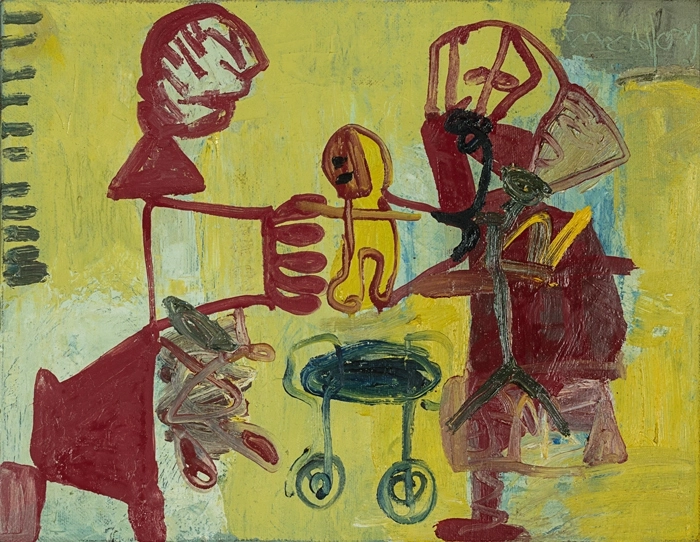
Untitled (Allá lejos), c.2000
Oil/canvas, 27 x 35 cm
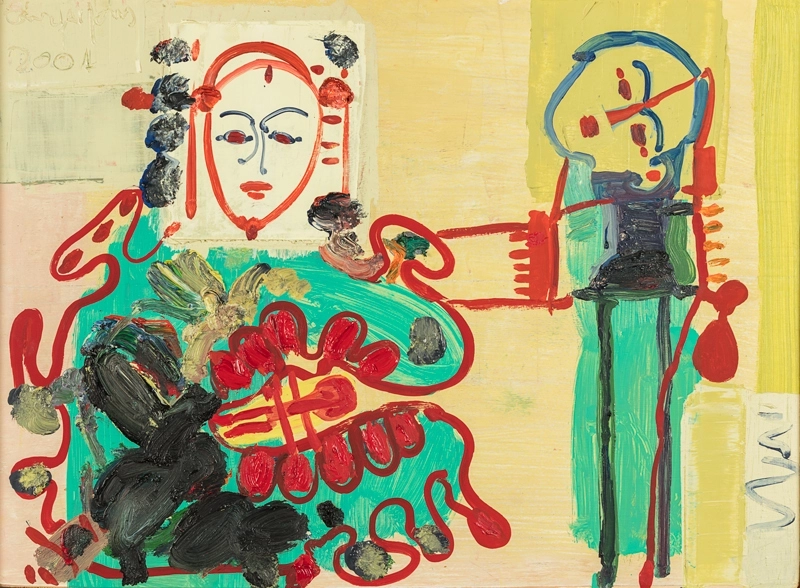
Allá lejos, 2001
Oil/panel, 38 x 52 cm
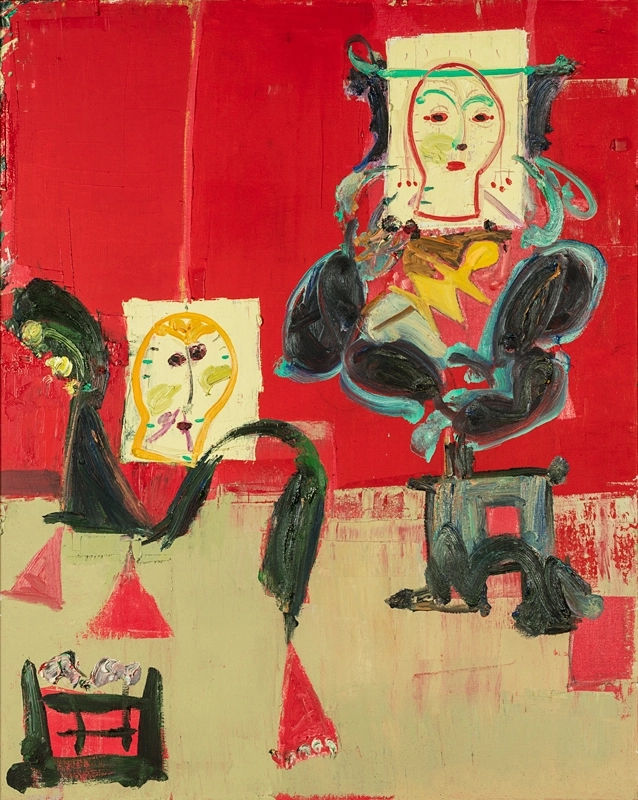
Untitled (the series Allá lejos), c.2001
Oil/canvas, 92 x 73 cm
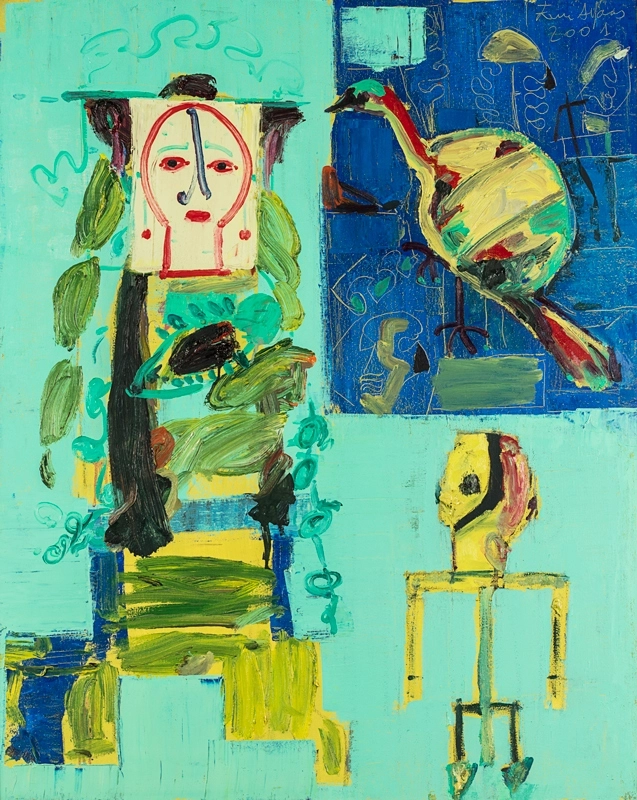
Untitled (the series Allá lejos), 2001
Oil/canvas, 92 x 73 cm
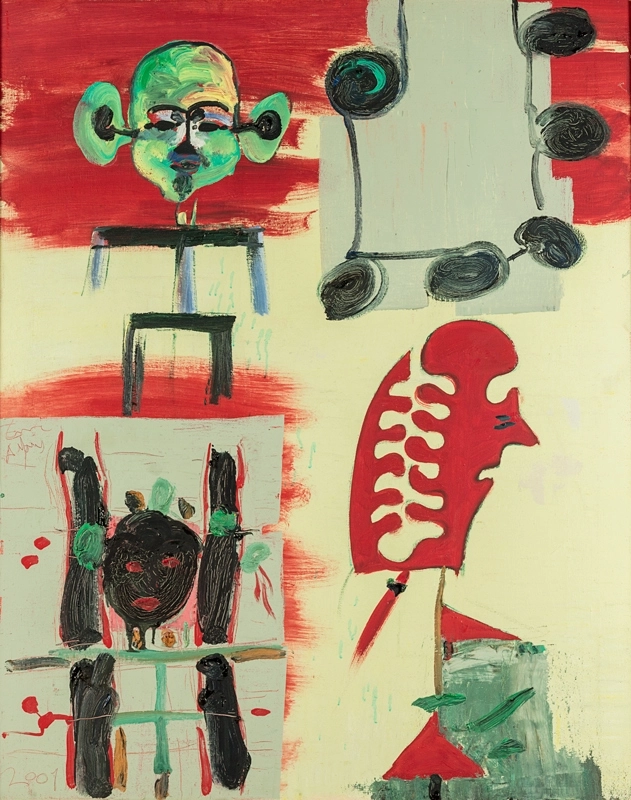
Untitled (the series Allá lejos), 2001
Oil/canvas, 92 x 73 cm
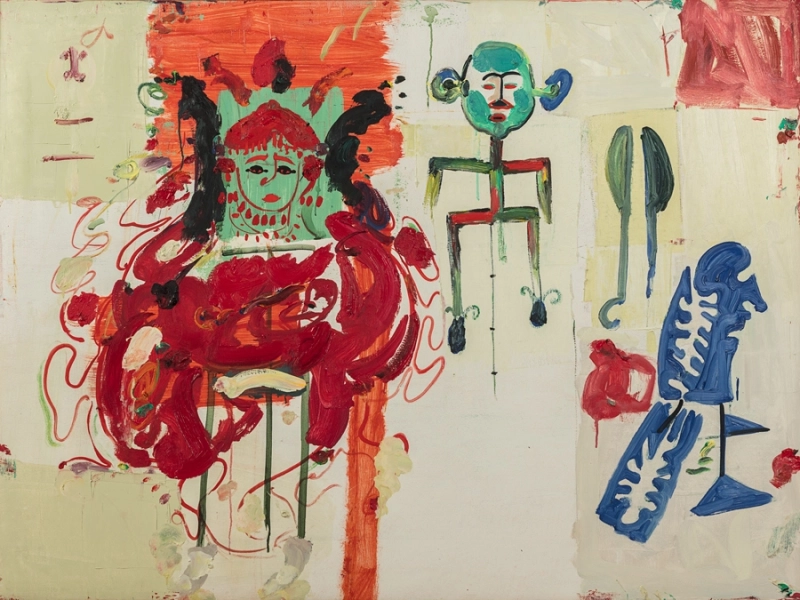
Allá lejos, 2001
Oil/canvas, 97 x 130 cm
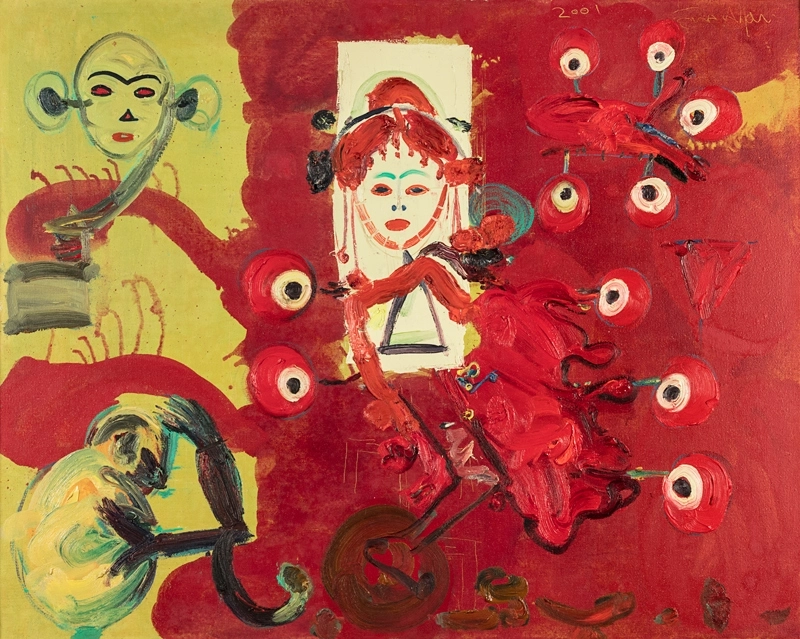
Untitled (the series Allá lejos), 2001
Oil/canvas, 73 x 92 cm
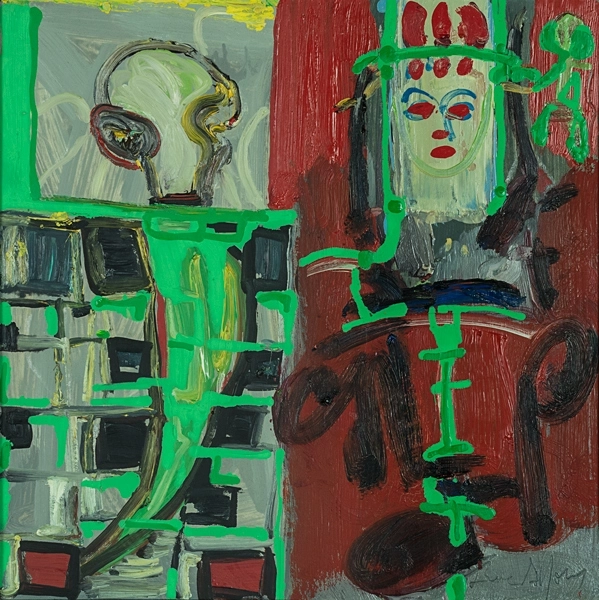
Untitled (the series Allá lejos), c.2001-2002
Oil/panel, 30 x 30 cm
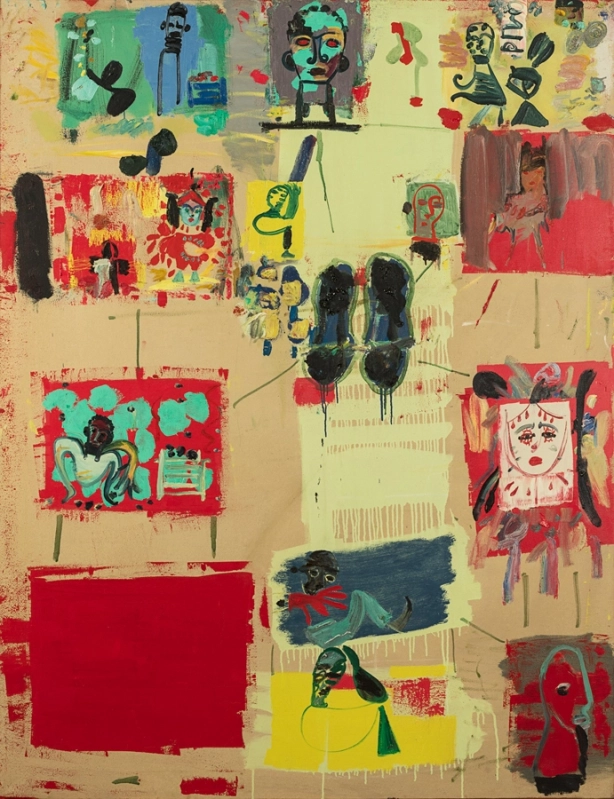
Allá lejos, c.2001-2002
Oil/canvas, 146 x 114 cm
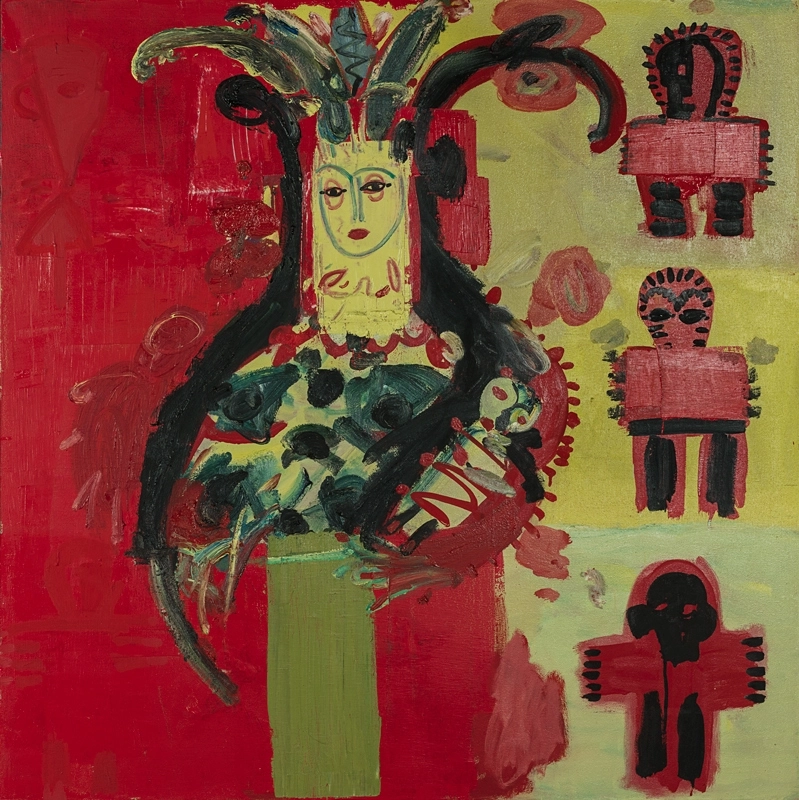
Untitled (the series Allá lejos), c.2002
Oil/canvas, 92 x 92 cm
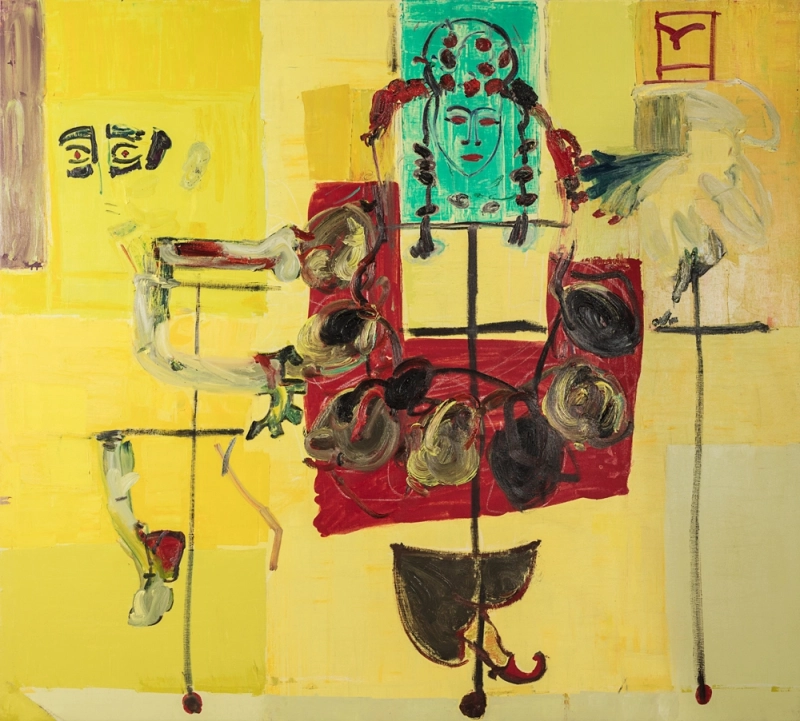
Untitled (the series Allá lejos), 2002
Oil/canvas, 180 x 200 cm
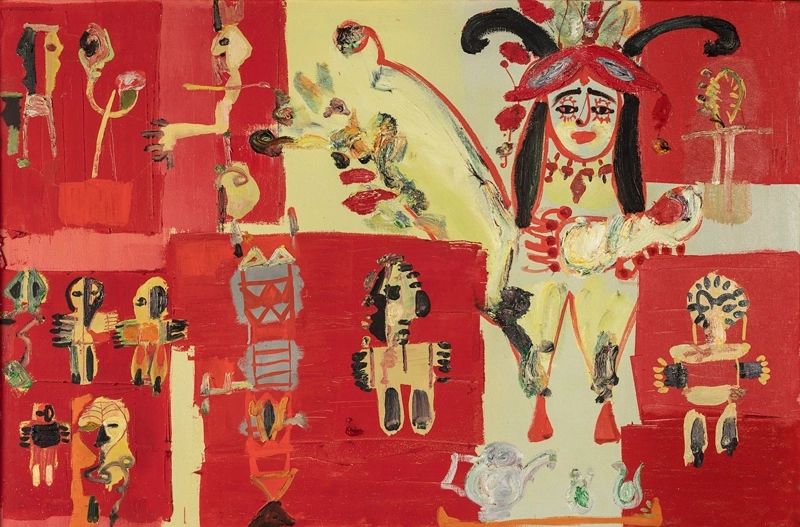
Untitled (the series Allá lejos), c.2001-2002
Oil/canvas, 65 x100 cm
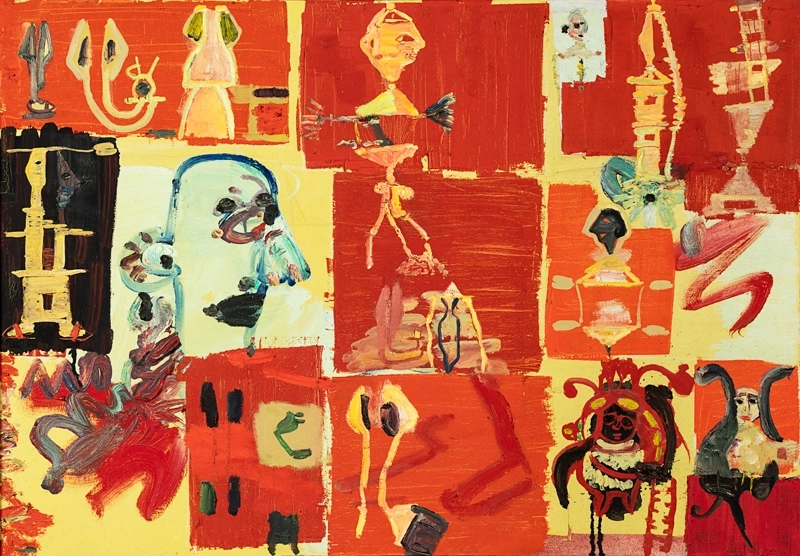
Untitled (the series Allá lejos), c.2001-2004
Oil/canvas, 65 x 92 cm
